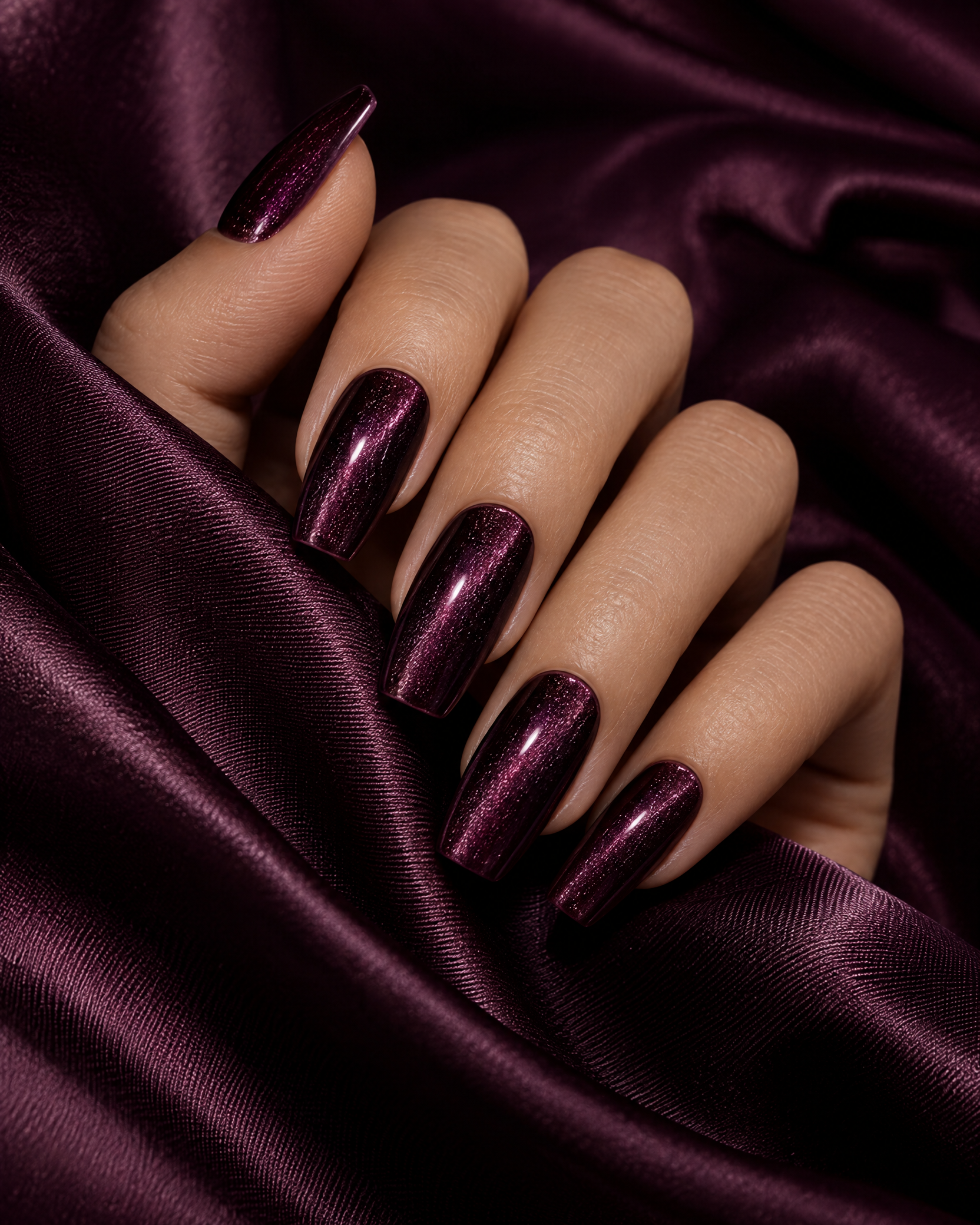
After-dark color
Espresso Cat-Eye
coffin · medium · velvet · 45 min
intermediate
While many salons use the names interchangeably, true ballerina and coffin nails carve distinctly different lines along your fingers. Use our side-by-side breakdown below to ask clearly for a soft curved pointe silhouette or sharp architectural walls.
| Feature | Ballerina | Coffin |
|---|---|---|
| Side-wall lines | Gently curved inward contour mirroring a pointe shoe silhouette. | Crisp, dead-straight diagonal taper from stress point to tip. |
| Tip edge | Narrow flattened oval-square tip with subtly softened edges. | Sharp, straight squared-off edge with crisp defined corners. |
| Best nail vibe | Bridal baby boomer ombre, iced pearl glazes, champagne velvet. | Deep velvet plum, espresso cat-eye, molten gold, smoked marble. |
| Everyday durability | Slightly less prone to corner chipping thanks to eased tip angles. | Crisp corners stay sharpest when reinforced with structured apex gel. |
| What to ask your tech | “Narrow tapered tip with gently rounded side walls, not flat sharp corners.” | “Straight angled side walls meeting a flat crisp square tip.” |
coffin · medium · velvet · 45 min
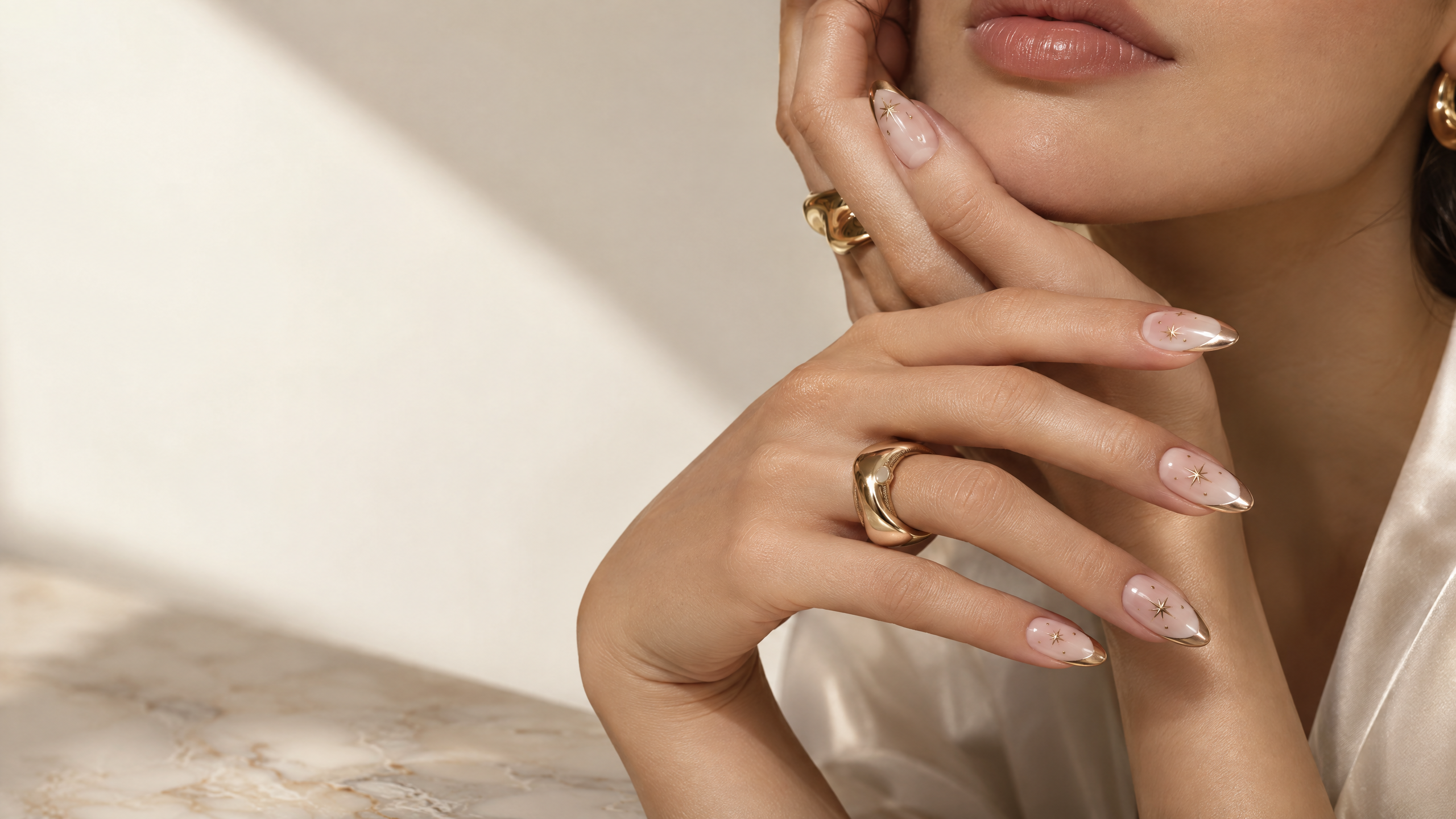
coffin · medium · chrome · 55 min
coffin · medium · velvet · 50 min
coffin · long · chrome · 45 min
coffin · medium · glossy · 50 min
coffin · medium · chrome · 40 min
coffin · medium · velvet · 45 min
coffin · medium · glossy · 50 min
coffin · medium · chrome · 50 min
coffin · medium · glitter · 40 min
They share a narrow squared tip, so many salons group them together — yet ballerina nails curve softly inward like an almond-coffin hybrid, while coffin nails file crisp straight lines into a geometric trapezoid.
Ballerina curves flatter shorter, rounder fingers smoothly, whereas sharper coffin walls dramatize long slender nail beds with architectural tension.
Softened ballerina tips usually resist daily corner chips slightly longer because slightly eased angles glide off fabric and phone screens cleanly.